Embarking on the journey of painting vinyl house siding, this guide aims to provide valuable insights and practical tips for a successful project. From preparation to maintenance, every step is crucial in achieving a flawless finish that enhances the beauty of your home.
Preparation for Painting Vinyl House Siding
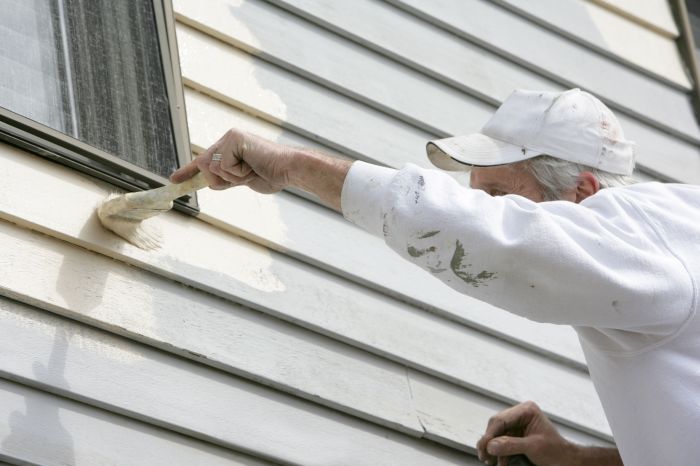
Before painting vinyl house siding, it is crucial to prepare the surface properly to ensure a smooth and long-lasting finish. This involves gathering the necessary tools and materials, cleaning the siding thoroughly, and following specific steps to prepare the surface.
Tools and Materials Needed:
- Pressure washer
- Mild detergent
- Bucket
- Scrub brush
- Painter's tape
- Primer
- Exterior paint
- Paintbrush or roller
Importance of Cleaning the Siding:
Before painting, it is essential to clean the vinyl siding to remove dirt, dust, and any mildew or mold that may have accumulated. Painting over a dirty surface can result in a poor paint adhesion and an uneven finish. Cleaning also helps the paint adhere better and last longer.
Steps for Preparing the Surface:
-
Inspect the siding for any damage or areas that need repair. Fix any issues before proceeding with painting.
-
Use a pressure washer to thoroughly clean the siding. Mix mild detergent with water in a bucket and scrub the siding with a brush to remove any stubborn dirt or stains.
-
Rinse the siding with clean water to remove all traces of detergent.
-
Allow the siding to dry completely before proceeding with painting. This step is crucial to ensure proper adhesion of the paint.
-
Apply painter's tape to protect areas you do not want to paint, such as windows, doors, and trim.
-
Apply a primer to the siding to create a smooth surface for the paint to adhere to. Let the primer dry completely before applying the paint.
-
Finally, apply the exterior paint using a paintbrush or roller, following the manufacturer's instructions for the best results.
Choosing the Right Paint for Vinyl House Siding
When it comes to painting vinyl house siding, choosing the right paint is crucial for a successful and long-lasting finish. Not all paints are suitable for vinyl siding, so it's essential to select the right type and finish that will adhere well and withstand the elements.
Types of Paint Suitable for Vinyl Siding
- Vinyl-Safe Paint: Specifically formulated for vinyl surfaces, these paints are designed to expand and contract with the siding to prevent cracking or peeling.
- Acrylic Paint: Water-based acrylic paints are also a good option for vinyl siding, as they provide excellent adhesion and flexibility.
- Latex Paint: Latex paints are another suitable choice for vinyl siding, offering durability and weather resistance.
Finishes Available for Vinyl Siding Paint
- Satin Finish: Provides a subtle sheen and is easy to clean, making it a popular choice for vinyl siding.
- Semi-Gloss Finish: Offers a slightly glossy appearance and is more durable, ideal for high-traffic areas.
- Matte Finish: A flat finish that hides imperfections well but may not be as easy to clean as satin or semi-gloss.
Importance of Choosing the Right Color for Vinyl Siding
Choosing the right color for your vinyl siding can significantly impact the overall appearance of your home. Lighter colors can reflect heat and prevent warping, while darker shades can absorb heat and cause the siding to expand. It's essential to consider the style of your home, existing exterior colors, and the surrounding environment when selecting a color for your vinyl siding.
Applying Paint to Vinyl House Siding
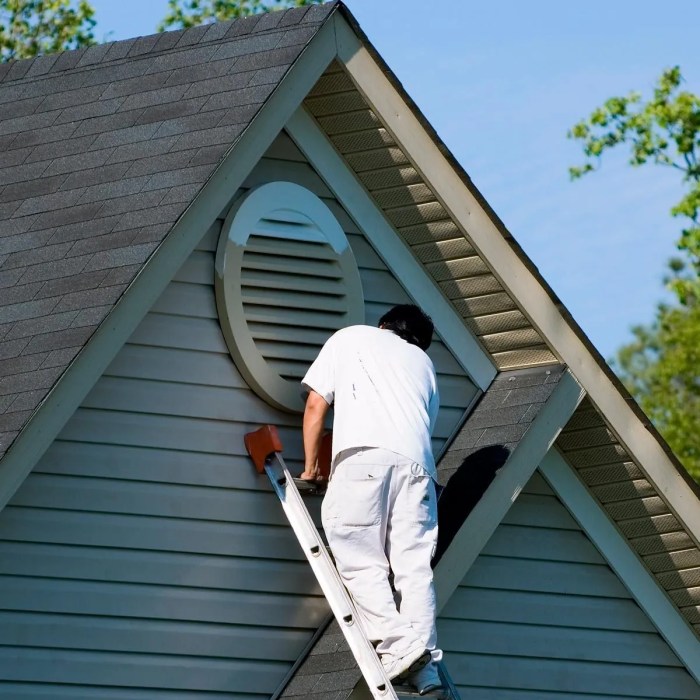
When it comes to painting vinyl house siding, using the right techniques can make a significant difference in the final result. Here are some best practices to help you achieve a smooth and even finish while avoiding drips and streaks.
Techniques for Applying Paint to Vinyl Siding
- Clean the siding thoroughly before painting to remove any dirt, grime, or mildew that could affect the finish.
- Use a high-quality primer specifically designed for vinyl surfaces to ensure better adhesion of the paint.
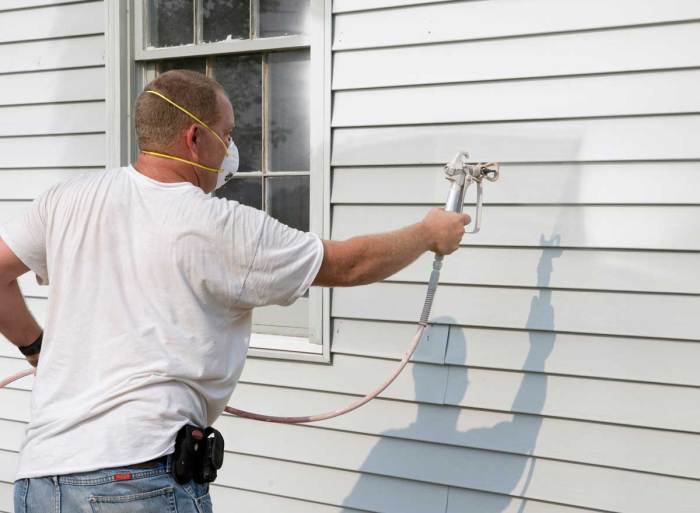
- Apply the paint using a high-quality synthetic brush or a paint sprayer for a more even finish.
- Work in small sections, blending the paint as you go to avoid visible seams or lines.
Achieving a Smooth and Even Finish on Vinyl Siding
- Apply the paint in thin, even coats to prevent drips and ensure proper coverage.
- Avoid painting in direct sunlight or on very hot days to prevent the paint from drying too quickly and causing streaks.
- Allow each coat to dry completely before applying the next layer to avoid bubbling or wrinkling of the paint.
Tips for Avoiding Drips and Streaks when Painting Vinyl Siding
- Avoid overloading the brush or sprayer with paint to prevent drips and runs.
- Use a steady hand and work methodically to maintain a consistent paint application.
- If you notice any drips or streaks while painting, immediately smooth them out with a brush or roller before the paint dries.
Maintaining Painted Vinyl House Siding
Once you have painted your vinyl house siding, it is important to maintain it properly to ensure its longevity and keep it looking fresh.
Cleaning Painted Vinyl Siding
Regular cleaning is essential to prevent dirt and grime from building up on the painted surface. Here's how you can clean painted vinyl siding:
- Start by rinsing the siding with a garden hose to remove loose debris.
- Prepare a solution of mild soap and water.
- Use a soft brush or cloth to gently scrub the siding with the soapy water.
- Rinse thoroughly with clean water to remove all soap residue.
- Repeat this process once or twice a year to keep your painted siding looking great.
Touching Up Paint on Vinyl Siding
If you notice any chipping or fading on your painted vinyl siding, it's important to touch up the paint to maintain its appearance. Here are some tips for touching up paint on vinyl siding:
- Choose a paint color that matches the existing color of your siding.
- Clean the area to be touched up thoroughly to remove any dirt or debris.
- Apply the touch-up paint carefully with a small brush, making sure to blend it seamlessly with the surrounding painted area.
- Allow the touch-up paint to dry completely before assessing if another coat is needed.
- Regularly inspect your vinyl siding for any areas that may need touch-ups to keep it looking fresh and well-maintained.
Epilogue
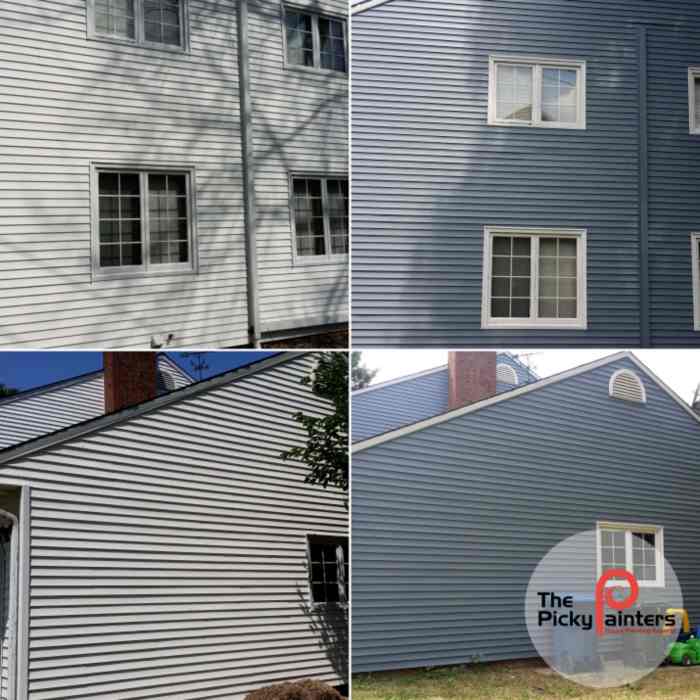
In conclusion, painting vinyl house siding can transform the look of your home and increase its curb appeal. By following the steps Artikeld in this guide, you can ensure a long-lasting and vibrant finish that will stand the test of time.
Popular Questions
What type of paint is best for vinyl house siding?
The best paint for vinyl siding is acrylic paint specifically formulated for exterior use.
How often should I repaint my vinyl house siding?
Generally, vinyl siding should be repainted every 7-10 years to maintain its appearance and protection.
Can I paint over existing vinyl siding paint?
Yes, you can paint over existing vinyl siding paint as long as the surface is properly cleaned and prepared.