Embarking on the journey of understanding home siding installation cost, this guide delves into the various factors and considerations that play a role in determining the overall expenses. From material choices to regional pricing variations, this narrative aims to equip homeowners with valuable insights for their siding projects.
As we unravel the complexities of siding installation costs, we aim to empower readers with cost-saving tips and comparisons between DIY and professional installations, ultimately guiding them towards informed decisions for their home improvement endeavors.
Factors influencing home siding installation cost
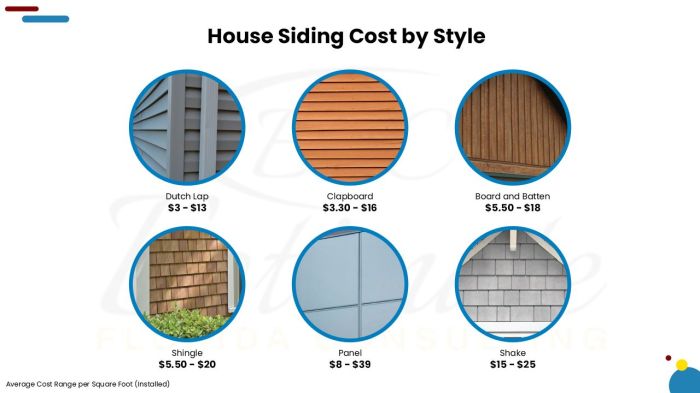
When considering the cost of installing siding on your home, several factors come into play. Understanding these influences can help you budget accordingly and make informed decisions.
Types of siding materials and their cost implications
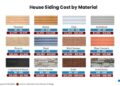
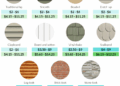
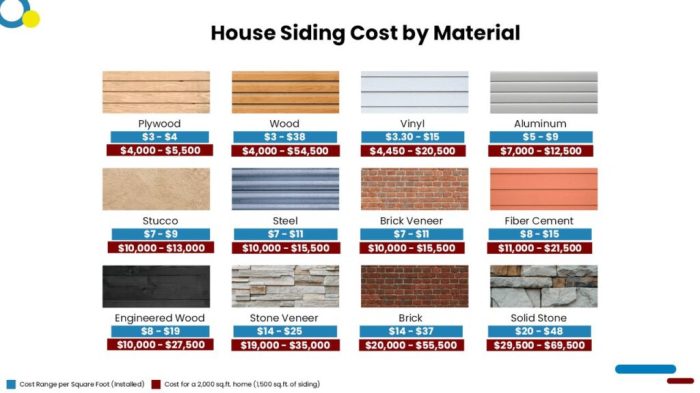
Different siding materials come with varying price tags. Here are some common options and their approximate costs per square foot:
- Vinyl: $3-$7
- Fiber Cement: $5-$12
- Wood: $6-$15
- Brick: $8-$15
- Stone: $20-$30
Labor costs impact on the overall installation cost
Labor costs are a significant part of the total installation cost. Skilled laborers will charge more for their expertise, and the complexity of the job can also affect the price. On average, labor costs can range from $40 to $70 per hour.
Size and complexity of the project affecting the total cost
The size of your home and the complexity of the project will directly impact the total cost of siding installation. Larger homes require more materials and labor, while intricate designs or hard-to-reach areas can increase the overall price.
Additional costs such as permits, disposal fees, and equipment rentals
In addition to material and labor costs, there are other expenses to consider. These may include:
- Permits: $100-$500
- Disposal fees for old siding: $100-$500
- Equipment rentals (if needed): $50-$200 per day
Average cost range for home siding installation
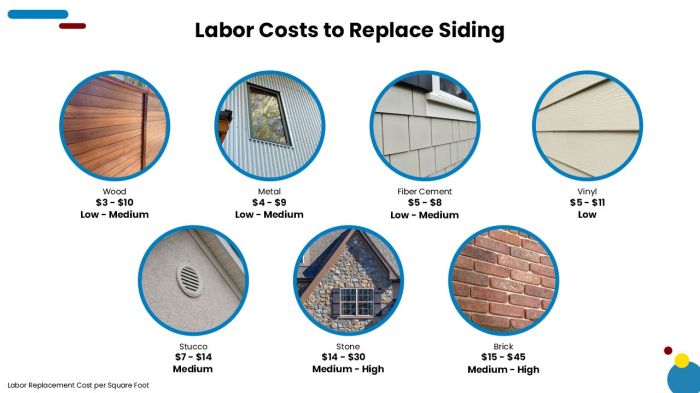
When it comes to the cost of installing siding on your home, several factors come into play that can influence the overall price. One of the key aspects that determine the cost is the square footage of your home's exterior that needs to be covered.
Additionally, regional variations in pricing, choice of materials, and cost-saving tips can all impact the final cost of the project.
Breakdown of costs based on square footage
The cost of siding installation is typically calculated per square foot of material used. On average, homeowners can expect to pay anywhere from $6 to $12 per square foot for vinyl siding, $8 to $16 per square foot for fiber cement siding, and $10 to $20 per square foot for wood siding.
These prices can vary depending on the quality of materials and the complexity of the installation.
Regional variations in pricing for siding installation
The cost of siding installation can also vary based on the region where you live. Areas with higher costs of living or where labor is more expensive may see higher prices for siding installation. It's important to get quotes from local contractors to get an accurate estimate of how much the project will cost in your area.
Impact of material choice on overall cost
The choice of materials you use for your siding can significantly impact the overall cost of the project. While vinyl siding tends to be the most affordable option, premium materials like fiber cement or wood siding can cost more upfront but offer increased durability and aesthetic appeal.
Cost-saving tips for homeowners looking to install siding on a budget
- Consider opting for more affordable materials like vinyl siding
- Get multiple quotes from different contractors to compare prices
- Do some of the prep work yourself, such as removing old siding or painting
- Schedule your installation during the off-season when contractors may offer discounts
Cost comparison between DIY vs. professional siding installation
When it comes to installing siding for your home, you may be tempted to take the DIY route to save money. While this can be a cost-effective option, it's important to consider the potential risks and long-term costs associated with DIY siding installation.
Cost Savings and Risks of DIY Siding Installation
- DIY siding installation can save you money on labor costs, as you won't have to pay for professional installation services.
- However, the risks of DIY siding installation include incorrect installation, which can lead to water damage, mold growth, and decreased energy efficiency.
- Additionally, if you make mistakes during the installation process, you may end up having to hire a professional to fix the issues, which can result in additional costs.
Advantages of Hiring Professionals for Siding Installation
- Professional siding installers have the expertise and experience to ensure that the siding is installed correctly the first time, reducing the risk of future problems.
- They also have access to specialized tools and equipment that may be necessary for a proper installation, which you may not have as a DIYer.
- Furthermore, hiring professionals can provide you with warranties or guarantees on the work done, giving you peace of mind in case issues arise in the future.
DIY Mistakes Leading to Additional Costs
- Common DIY mistakes during siding installation include improper measurements, inadequate sealing, and using the wrong materials.
- These mistakes can result in water infiltration, structural damage, and decreased property value, all of which can lead to costly repairs down the line.
When It’s Worth Investing in Professional Installation
- If you have a complex or large-scale siding project, such as multi-story homes or intricate designs, it's worth investing in professional installation to ensure the job is done correctly.
- Similarly, if you lack the time, skills, or confidence to tackle the installation yourself, hiring professionals can save you time and stress in the long run.
- Lastly, if you want to maximize the lifespan and performance of your siding, professional installation is key to ensuring proper installation and maintenance.
Financing options for home siding installation
When it comes to financing your home siding installation project, there are several options available to homeowners. Each financing option comes with its own set of pros and cons that can impact the overall cost of the project. It's essential to understand these options and choose the one that best suits your financial situation and needs.
Using Credit Cards
- Credit cards can be a convenient way to finance a siding project, especially for smaller projects with manageable costs.
- However, high-interest rates on credit cards can significantly increase the overall cost of the project if the balance is not paid off quickly.
- Make sure to compare interest rates and fees before using a credit card to finance your siding installation.
Taking out a Loan
- Personal loans or home improvement loans are another option for financing your siding project.
- Loans typically have lower interest rates compared to credit cards, making them a more cost-effective option for larger projects.
- However, taking out a loan means you will have to make monthly payments, which can impact your budget in the long run.
Using Home Equity
- Home equity loans or lines of credit can provide a substantial amount of funding for your siding installation project.
- Interest rates on home equity loans are usually lower than other financing options, making them a more affordable choice.
- Keep in mind that using your home's equity as collateral puts your property at risk if you are unable to make payments.
Choosing the Best Financing Option
- Consider your financial situation and the total cost of the siding project before selecting a financing option.
- Compare interest rates, fees, and repayment terms to determine which option is the most cost-effective for you.
- Consult with a financial advisor to understand the implications of each financing option on your overall financial health.
Ultimate Conclusion
In conclusion, the realm of home siding installation cost is multifaceted, influenced by a myriad of factors that shape the overall expenses. By weighing the options, understanding the nuances of financing, and grasping the impact of choices, homeowners can embark on their siding projects with confidence and clarity.
FAQ Compilation
What are the key factors influencing home siding installation cost?
The key factors include siding materials, labor costs, project size, complexity, permits, disposal fees, and equipment rentals.
How do regional variations impact siding installation costs?
Regional variations can affect pricing due to differences in labor costs, material availability, and market demand.
What are the risks of DIY siding installation?
DIY siding installation risks include improper installation leading to damage, voided warranties, and potential safety hazards.
What financing options are available for home siding projects?
Financing options include credit cards, loans, and home equity, each with their pros and cons impacting the overall project cost.