Embark on a fascinating journey through the intricate world of architecture and design, where creativity meets functionality in the most captivating ways. From the historical roots to the modern innovations, this topic delves deep into the artistry and ingenuity that shape our built environment.
Discover the evolution of architectural styles, the significance of sustainable practices, and the interplay between urban planning and design that define the landscapes we inhabit.
History of Architecture and Design
Architecture and design have evolved significantly throughout history, reflecting the cultural, social, and technological advancements of different civilizations. Let's explore the fascinating journey of architectural styles and their impact on modern design.
Evolution of Architectural Styles
The history of architecture dates back to ancient times when civilizations built structures using materials like stone, mud, and wood. From the grandeur of Egyptian pyramids to the intricate details of Greek temples, each era brought unique architectural styles. The Middle Ages introduced Gothic architecture with its soaring cathedrals, while the Renaissance period revived classical elements and emphasized symmetry and proportion.
The Industrial Revolution paved the way for modern materials like steel and glass, leading to the rise of skyscrapers and innovative structural designs.
Influence of Different Cultures
Architectural design has been heavily influenced by the rich tapestry of cultures around the world. From the intricate patterns of Islamic architecture to the minimalist aesthetics of Japanese design, each culture has contributed unique elements to the global architectural landscape.
The blending of different architectural traditions has resulted in a diverse and eclectic mix of styles that continue to inspire designers today.
Key Architectural Movements
Throughout history, various architectural movements have emerged, shaping the way buildings are designed and constructed. The Bauhaus movement, founded in Germany in the early 20th century, emphasized the fusion of art, craft, and technology, paving the way for modernist architecture.
The Art Deco movement of the 1920s and 30s embraced geometric shapes and bold colors, while postmodernism challenged traditional design norms with playful forms and eclectic references. These movements have left a lasting impact on modern design, influencing everything from interiors to urban planning.
Elements of Architectural Design
Architectural design is a complex process that involves a combination of various elements to create functional and aesthetically pleasing structures. Three fundamental elements of architectural design include form, function, and structure.
Importance of Materials in Architectural Design
Materials play a crucial role in architectural design as they determine the durability, appearance, and overall quality of a structure. The choice of materials can also influence the sustainability and environmental impact of the building.
- The selection of materials such as concrete, steel, glass, or wood can affect the structural integrity and aesthetic appeal of a building.
- Using sustainable and eco-friendly materials can reduce the environmental footprint of a construction project.
- The texture, color, and finish of materials can contribute to the overall design concept and architectural style of a building.
Role of Light and Space in Shaping Architectural Experiences
Light and space are essential elements in architectural design that can greatly impact the way people perceive and interact with a built environment. They play a crucial role in creating a sense of atmosphere, functionality, and visual interest in architectural spaces.
- Lighting design can enhance the mood, ambiance, and functionality of interior and exterior spaces.
- The strategic use of natural light can reduce energy consumption and create a connection to the outdoor environment.
- Space planning involves organizing and arranging architectural elements to optimize functionality, circulation, and user experience within a building.
Sustainable Architecture
Sustainable architecture focuses on creating buildings that are environmentally responsible, resource-efficient, and healthy to live in. The principles of sustainable architecture aim to reduce the negative environmental impact of buildings while enhancing the well-being of occupants.
Use of Sustainable Materials
Using sustainable materials in architectural design is crucial for achieving environmentally friendly buildings. These materials are sourced responsibly, have a low carbon footprint, and can be recycled or reused. Examples of sustainable materials include reclaimed wood, bamboo, recycled steel, and low VOC paints.
Energy-Efficient Building Design Techniques
Innovative techniques for energy-efficient building design play a significant role in sustainable architecture. Some of these techniques include passive solar design, green roofs, natural ventilation systems, and high-performance insulation. By incorporating these strategies, buildings can reduce energy consumption, lower utility costs, and minimize their carbon footprint.
Urban Planning and Design
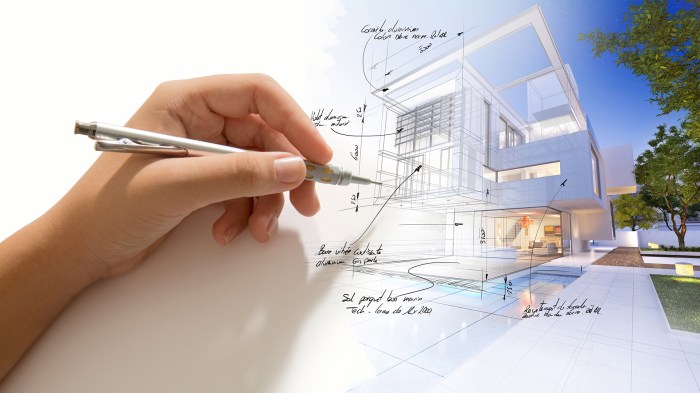
Urban planning plays a crucial role in shaping cities to be more livable, sustainable, and efficient for its residents. It involves the organization of land use, transportation, infrastructure, and public spaces to create functional and aesthetically pleasing urban environments.
Importance of Urban Planning in Creating Livable Cities
Urban planning ensures that cities are developed in a way that promotes quality of life for its inhabitants. By strategically designing the layout of neighborhoods, green spaces, transportation systems, and amenities, urban planners can create cities that are walkable, accessible, and environmentally friendly.
This leads to reduced traffic congestion, improved air quality, and a sense of community among residents.
Relationship Between Architecture and Urban Design
Architecture and urban design are closely intertwined disciplines that work together to shape the built environment. While architecture focuses on the design of individual buildings, urban design considers how these buildings interact with their surroundings to form cohesive urban spaces.
Architects and urban planners collaborate to ensure that new developments blend harmoniously with existing cityscapes and contribute positively to the overall urban fabric.
Examples of Successful Urban Design Projects Around the World
One notable example of successful urban design is the High Line in New York City, which transformed an abandoned elevated railway into a vibrant public park. This project revitalized the surrounding neighborhood, increased property values, and provided a unique recreational space for residents and visitors alike.
Another example is the Vauban District in Freiburg, Germany, known for its sustainable design features such as car-free streets, solar-powered homes, and extensive green spaces. These innovative urban planning initiatives have made Vauban a model for sustainable urban development worldwide.
Interior Design
Interior design is the art and science of enhancing interior spaces to achieve a more aesthetically pleasing and functional environment. While architecture focuses on the overall structure and exterior of a building, interior design delves into the details of the interior spaces, considering factors such as furniture, color schemes, textures, lighting, and accessories to create a cohesive and harmonious look.
Principles of Interior Design
The principles of interior design include balance, harmony, emphasis, proportion, rhythm, and unity. These principles guide designers in creating spaces that are visually appealing and functional. Balance ensures that elements are evenly distributed in a room, while harmony creates a sense of cohesion.
Emphasis highlights focal points within a space, proportion ensures that elements relate to each other in size and scale, rhythm adds visual interest through repetition, and unity ties all elements together to create a cohesive whole.
Role of Color, Texture, and Furniture
Color, texture, and furniture play crucial roles in interior design. Color can set the mood of a space, with warm colors creating a cozy atmosphere and cool colors evoking a sense of calm. Texture adds depth and visual interest, whether through fabrics, finishes, or materials.
Furniture not only provides function but also contributes to the overall design aesthetic, serving as both practical and decorative elements within a space.
Trends in Interior Design
Trends in interior design often reflect societal changes and cultural influences. Currently, trends such as biophilic design, sustainability, minimalism, and smart home technology are gaining popularity. Biophilic design integrates nature into indoor spaces to promote well-being, sustainability focuses on eco-friendly materials and practices, minimalism emphasizes simplicity and decluttering, and smart home technology enhances convenience and connectivity in living spaces.
These trends showcase a shift towards more mindful and holistic approaches to interior design.
Last Word
As we conclude our exploration of architecture and design, we are left with a profound appreciation for the intricate balance between aesthetics and purpose that define the spaces we inhabit. From ancient wonders to contemporary marvels, each structure tells a unique story of human creativity and vision.
Detailed FAQs
What are the key elements of architectural design?
The fundamental elements include form, function, structure, materials, light, and space.
What is sustainable architecture?
Sustainable architecture focuses on using environmentally-friendly materials and energy-efficient design practices.
How does urban planning relate to architecture?
Urban planning involves creating organized and livable cities, often influenced by architectural design principles.
What distinguishes interior design from architecture?
Interior design focuses on creating appealing and functional indoor spaces, while architecture deals with the overall structure and design of buildings.
What role does color play in interior design?
Color is crucial in setting the mood and ambiance of interior spaces, influencing the overall design aesthetic.