As eifs siding takes center stage, this opening passage beckons readers into a world crafted with good knowledge, ensuring a reading experience that is both absorbing and distinctly original.
When it comes to enhancing the aesthetics and functionality of your home or building, EIFS siding is a top choice. This innovative exterior cladding offers a unique blend of style and practicality, making it a popular option for many property owners.
Let's delve deeper into the world of EIFS siding to discover its composition, benefits, installation process, maintenance tips, and energy-saving advantages.
What is EIFS Siding?
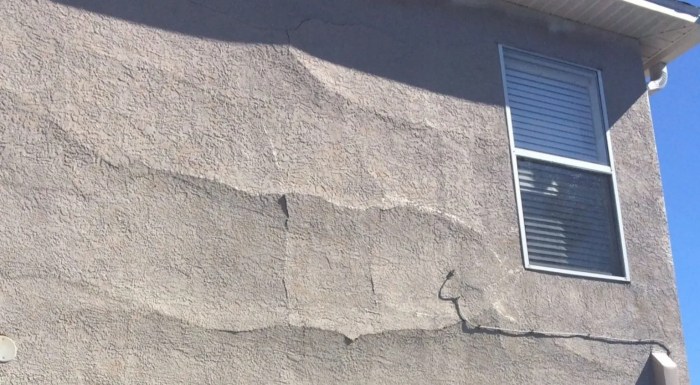
EIFS, or Exterior Insulation and Finish System, is a type of cladding system used in both residential and commercial construction. It is composed of a layer of insulation board attached to the exterior wall, followed by a reinforced base coat and a textured finish coat.
Composition and Characteristics
- Consists of insulation board, typically made of expanded polystyrene (EPS)
- Base coat reinforced with fiberglass mesh for added strength
- Textured finish coat available in a variety of colors and styles
- Lightweight and flexible, allowing for intricate designs
Benefits of EIFS Siding
- Improves energy efficiency by providing additional insulation
- Enhances the aesthetic appeal of buildings with a customizable finish
- Helps reduce noise transmission for a quieter indoor environment
- Durable and resistant to mold, mildew, and moisture damage
Popular Brands or Manufacturers
- Dryvit
- STO Corp
- Master Wall
- Exterior Insulation and Finish Systems (EIFS)
Installation of EIFS Siding
Installing EIFS siding involves several steps to ensure a proper and durable finish on a structure. Compared to traditional siding options, EIFS requires a more meticulous installation process due to its multi-layered composition. Special considerations and challenges may arise during the installation of EIFS siding, such as moisture management and ensuring a smooth, seamless appearance.
EIFS Siding Installation Process
- Preparation of the Substrate: The surface where EIFS will be applied must be clean, dry, and free of any debris or contaminants.
- Installation of Insulation Board: A layer of insulation board is attached to the substrate using adhesive or mechanical fasteners.
- Application of Base Coat: A base coat of EIFS material is applied over the insulation board to create a smooth and even surface.
- Embedding Reinforcement Mesh: A fiberglass mesh is embedded into the base coat to provide strength and flexibility to the system.
- Application of Finish Coat: The final layer of colored and textured finish coat is applied to achieve the desired aesthetic appearance.
Comparison with Traditional Siding
- EIFS siding requires more precision and skill during installation compared to traditional siding options like vinyl or wood.
- While traditional siding may be easier to install, EIFS offers better insulation properties and design flexibility.
- Proper installation of EIFS is crucial to prevent moisture infiltration and ensure the longevity of the system.
Special Considerations and Challenges
- Moisture Management: Proper flashing and sealing techniques are essential to prevent water intrusion behind the EIFS system.
- Seamless Appearance: Achieving a seamless finish on EIFS siding requires skilled craftsmanship and attention to detail.
- Repair and Maintenance: EIFS siding may require special care and maintenance to address any potential issues that may arise over time.
Maintenance and Care of EIFS Siding
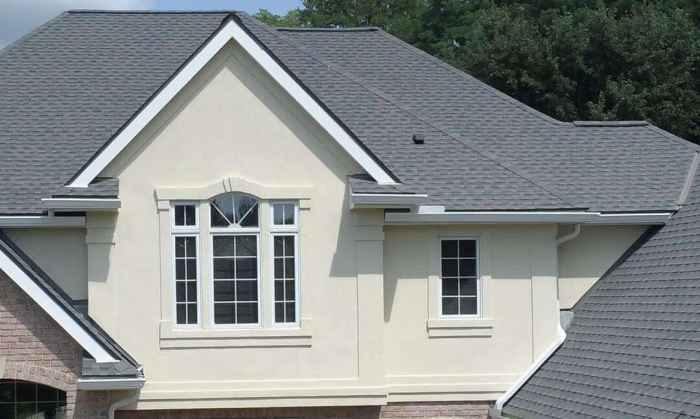
Maintaining and caring for EIFS siding is crucial to ensuring its longevity and appearance. By following recommended practices and addressing common issues promptly, you can extend the lifespan of your EIFS siding.
Recommended Maintenance Practices
- Regularly inspect the EIFS siding for any signs of damage, such as cracks, chips, or discoloration.
- Clean the siding at least once a year using a mild detergent and water to remove dirt and grime.
- Ensure proper drainage around the siding to prevent water from seeping behind the EIFS and causing damage.
- Trim any vegetation near the siding to prevent moisture retention and potential damage.
Common Issues and Solutions
- Moisture Intrusion:One of the most common issues with EIFS siding is moisture intrusion, which can lead to mold and mildew growth. Ensure proper sealing and address any cracks or gaps promptly to prevent water infiltration.
- Cracking:Over time, EIFS siding may develop hairline cracks. These should be repaired promptly using appropriate EIFS repair materials to prevent further damage.
- Discoloration:Discoloration of EIFS siding can occur due to various factors, such as dirt accumulation or UV exposure. Regular cleaning and maintenance can help prevent discoloration.
Tips to Extend Lifespan
- Address any issues or damage promptly to prevent further deterioration.
- Regularly clean and inspect the EIFS siding to maintain its appearance and integrity.
- Consider applying a protective coating to the siding to enhance its durability and resistance to elements.
Energy Efficiency and Insulation Benefits
When it comes to energy efficiency in buildings, EIFS siding plays a vital role in providing insulation and reducing energy consumption.
Energy Saving Properties of EIFS Siding
- EIFS siding acts as a continuous insulation barrier, reducing thermal bridging and heat loss through walls.
- It helps maintain a consistent indoor temperature by minimizing air infiltration and improving the building's overall energy performance.
- Studies have shown that buildings with EIFS siding can save up to 30% on heating and cooling costs compared to traditional siding materials.
Case Study: Energy Efficiency with EIFS Siding
One notable example is a commercial building in a cold climate region that upgraded to EIFS siding. After the installation, the building experienced a significant decrease in energy consumption during winter months. The owners reported a noticeable reduction in heating expenses and improved comfort levels for occupants.
Final Summary
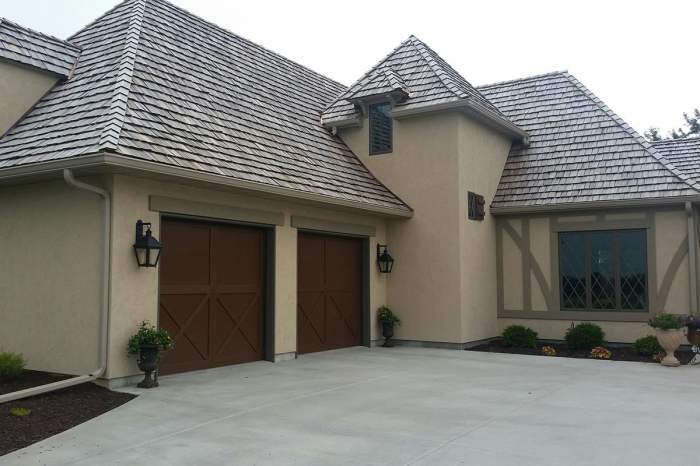
In conclusion, EIFS siding is a versatile and efficient choice for enhancing the appearance and energy efficiency of any structure. With its array of benefits and unique qualities, EIFS siding stands out as a top contender in the realm of exterior cladding options.
Whether you're looking to boost curb appeal, improve insulation, or reduce maintenance efforts, EIFS siding offers a comprehensive solution for your needs.
Frequently Asked Questions
What are the main components of EIFS siding?
EIFS siding typically consists of a base coat, insulation board, and finish coat, providing a seamless and durable exterior finish.
How does EIFS siding compare to traditional siding in terms of energy efficiency?
EIFS siding offers superior insulation properties compared to traditional siding materials, helping to reduce energy consumption and improve overall energy efficiency.
What are some common maintenance practices for EIFS siding?
Regularly cleaning the surface, inspecting for any damage, and addressing issues promptly are key maintenance steps to ensure the longevity of EIFS siding.