Diving into the realm of custom siding, this introduction sets the stage for a fascinating exploration of the topic. From the importance of custom siding to the various design options available, readers are in for an enlightening journey through the world of exterior home design.
Importance of Custom Siding
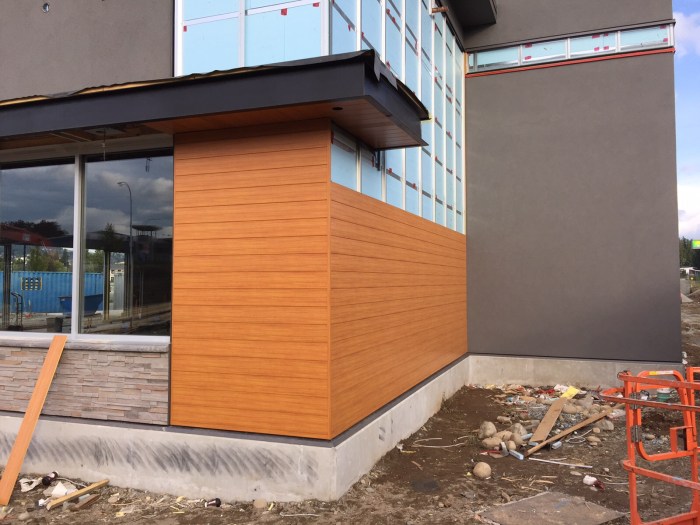
Custom siding offers a range of benefits that set it apart from standard options. From enhancing the visual appeal of a property to improving energy efficiency, custom siding plays a crucial role in transforming and protecting a home.
Enhanced Aesthetic Appeal
Custom siding allows homeowners to personalize the look of their property, creating a unique and tailored appearance. With a variety of colors, textures, and styles to choose from, custom siding can complement the architecture of the home and reflect the owner's personal taste.
This customization adds curb appeal and increases the overall value of the property.
Improved Energy Efficiency
Custom siding can also help in boosting the energy efficiency of a home. By selecting materials that provide better insulation and reduce heat transfer, homeowners can lower their energy bills and create a more comfortable indoor environment. Additionally, properly installed custom siding can prevent air leaks and maintain a consistent temperature inside the house, reducing the load on heating and cooling systems.
Types of Custom Siding Materials
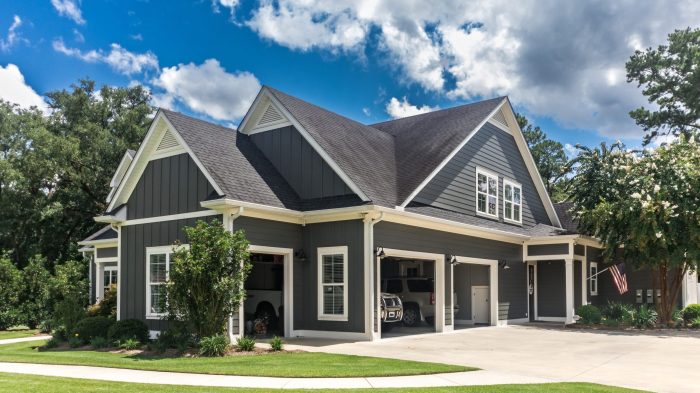
When it comes to custom siding, there are various materials that can be used to enhance the exterior of a building. Each material comes with its own set of characteristics, including durability and maintenance requirements.
Wood Siding
Wood siding is a popular choice for custom siding due to its natural and timeless look. It can be painted or stained to match the aesthetic of the building. However, wood siding requires regular maintenance such as painting, staining, and sealing to prevent rotting, warping, or insect damage.
Vinyl Siding
Vinyl siding is known for its affordability and low maintenance requirements. It is available in a wide range of colors and styles, making it a versatile option for custom siding. Vinyl siding is durable and resistant to rot, fading, and insect damage, but it may crack or become brittle over time.
Fiber Cement Siding
Fiber cement siding is a durable and low-maintenance option for custom siding. It is resistant to fire, moisture, rot, and insects. Fiber cement siding can mimic the look of wood or masonry but without the same level of maintenance. However, it can be more expensive than other siding materials.
Custom Siding Design Options
When it comes to custom siding, there are a variety of design options available in the market to suit different architectural styles and preferences. Homeowners can choose from a range of customization options for texture, color, and style to create a unique look for their homes.
Let's explore some of the custom siding design options and how architectural preferences influence these choices.
Vertical Siding
Vertical siding is a popular choice for modern and contemporary homes. It can give a sleek and streamlined look to the exterior of a house. This type of siding can be customized in various textures, such as wood grain or smooth finishes, and comes in a wide array of colors to match the overall aesthetic of the home.
Board and Batten Siding
Board and batten siding offers a more rustic and traditional look, often seen in farmhouse-style homes. This design features wide boards with narrow strips (battens) covering the seams. Homeowners can choose different materials for this siding, like vinyl, wood, or fiber cement, and customize the color and width of the boards to achieve the desired look.
Shingle Siding
Shingle siding mimics the look of cedar shingles but with the durability of modern materials like vinyl or fiber cement. This design option adds texture and visual interest to the exterior of a home. Homeowners can select from various colors and styles of shingles to create a unique and timeless appearance.
Architectural Panel Siding
Architectural panel siding offers a contemporary and minimalist look to modern homes. This design option features large panels that can be customized in different textures, finishes, and colors. Homeowners can choose from smooth panels for a sleek finish or textured panels for added dimension.
Stone Veneer Siding
Stone veneer siding provides the look of natural stone without the cost and maintenance associated with traditional stone masonry. Homeowners can select from a variety of stone types, colors, and patterns to create a sophisticated and elegant exterior for their homes.These are just a few examples of the custom siding design options available in the market.
By understanding their architectural preferences and desired aesthetic, homeowners can choose the right custom siding design to enhance the curb appeal and value of their homes.
Installation Process for Custom Siding
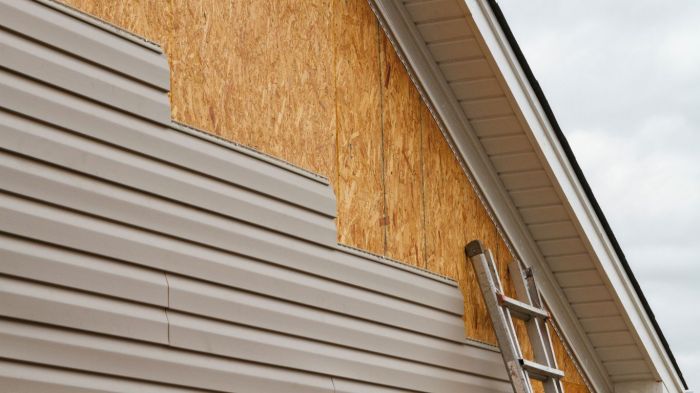
When it comes to installing custom siding on a property, there are several important steps to consider to ensure a successful outcome. Proper preparation before installation is key to achieving a durable and visually appealing result. Here, we will discuss the steps involved in the installation process, the importance of preparation, and tips for a successful custom siding installation.
Preparation is Key
Before beginning the installation process, it is crucial to prepare the property adequately. This includes cleaning the existing exterior surface, repairing any damage, and ensuring that the area is dry and free from debris. Proper preparation will help the custom siding adhere better and last longer.
Installation Steps
- Measure and cut the custom siding panels to fit the dimensions of the property.
- Prepare the surface by applying a weather-resistant barrier to protect against moisture.
- Install the starter strip at the bottom of the wall to provide a level base for the siding panels.
- Begin installing the siding panels, starting from one corner and working your way across the wall.
- Secure the panels in place using nails or screws, ensuring they are properly aligned and spaced.
- Finish the installation by adding trim pieces around windows, doors, and corners for a polished look.
Tips for Success
- Follow the manufacturer's instructions carefully to ensure proper installation.
- Use the right tools for the job, such as a level, tape measure, and hammer.
- Consider hiring a professional if you are not confident in your DIY skills.
- Regularly inspect and maintain your custom siding to prevent damage and prolong its lifespan.
Ending Remarks
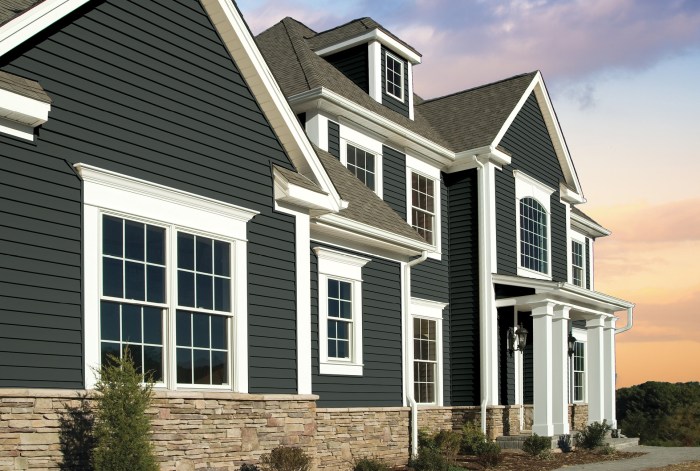
In conclusion, custom siding offers a myriad of benefits, from enhancing curb appeal to improving energy efficiency. By understanding the different materials, design options, and installation processes, homeowners can make informed decisions to transform their properties.
General Inquiries
What are the benefits of choosing custom siding?
Custom siding offers unique designs, enhances aesthetics, and improves energy efficiency compared to standard options.
Which materials are commonly used for custom siding?
Materials such as wood, vinyl, and fiber cement are popular choices for custom siding due to their durability and customization options.
What maintenance is required for custom siding?
The maintenance requirements vary based on the material used, but regular cleaning and inspections are generally recommended to prolong the lifespan of custom siding.