Delving into interior lighting design, this introduction immerses readers in a unique and compelling narrative. From the importance of lighting in creating ambiance to the various types of lighting used, this guide will shed light on how to enhance different spaces with the right lighting choices.
Exploring the principles and trends in interior lighting design, along with specific strategies for different spaces, this comprehensive overview will illuminate the path to creating a well-lit and aesthetically pleasing environment.
Overview of Interior Lighting Design
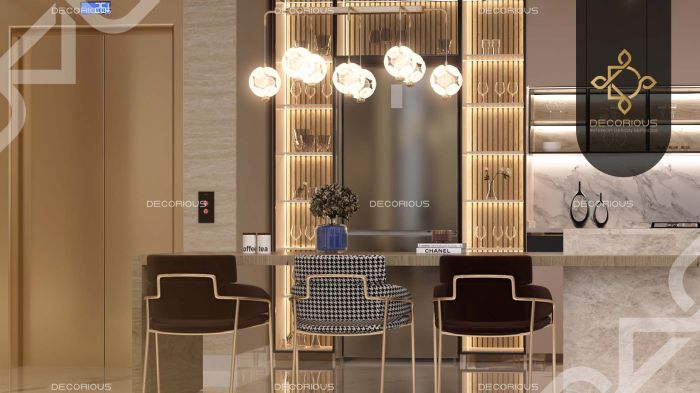
Interior lighting design plays a crucial role in enhancing the overall aesthetics and functionality of a space. Proper lighting can create ambiance, highlight architectural features, and improve the usability of different areas within a room.
Importance of Interior Lighting
- Proper lighting can make a room feel more spacious and inviting.
- It can also influence the mood and atmosphere of a space, whether it's cozy and intimate or bright and energetic.
- Effective lighting design can enhance the overall design scheme and highlight key design elements within a room.
Role of Lighting in Creating Ambiance and Functionality
- Soft, warm lighting can create a relaxing atmosphere in a living room, perfect for unwinding after a long day.
- Bright, task lighting in the kitchen can improve visibility and make cooking and food preparation easier and safer.
- In an office setting, proper lighting can boost productivity and reduce eye strain for employees working long hours.
Examples of How Lighting Enhances Different Spaces
- In a living room, a combination of ambient, task, and accent lighting can create a cozy and inviting environment for relaxation and entertainment.
- In a kitchen, under cabinet lighting can illuminate countertops for meal preparation, while pendant lights over an island can provide both task lighting and a focal point for the space.
- In an office, adjustable desk lamps and overhead lighting can provide the right amount of light for work tasks while also reducing glare on computer screens.
Types of Interior Lighting
When it comes to interior lighting design, there are several types of lighting that play different roles in creating the desired ambiance and functionality within a space.
Ambient Lighting
Ambient lighting, also known as general lighting, provides overall illumination to a room. It sets the tone for the space and ensures that there are no dark corners. This type of lighting can be achieved through ceiling-mounted fixtures, recessed lights, or track lighting.
Task Lighting
Task lighting is focused on specific areas where activities such as reading, cooking, or working take place. It is designed to provide concentrated light to help individuals perform tasks effectively. Examples include desk lamps, under-cabinet lighting in kitchens, and bathroom vanity lights.
Accent Lighting
Accent lighting is used to highlight specific features or objects within a room, such as artwork, architectural details, or plants. It adds depth and visual interest to the space. Popular fixtures for accent lighting include wall sconces, track lights, and LED strip lights.
Natural vs. Artificial Lighting
Natural lighting refers to the light that comes from the sun, which changes throughout the day and can create a dynamic and inviting atmosphere. Artificial lighting, on the other hand, allows for control over intensity and color temperature, making it more versatile for different lighting needs.
Effects of Different Lighting Fixtures
Each type of lighting fixture brings its own unique aesthetic and functional benefits to a space. Chandeliers add elegance and drama to a room, while sconces provide a soft, indirect glow. Pendant lights are versatile and can be used to create a focal point or provide task lighting in various areas.
Lighting Design Principles
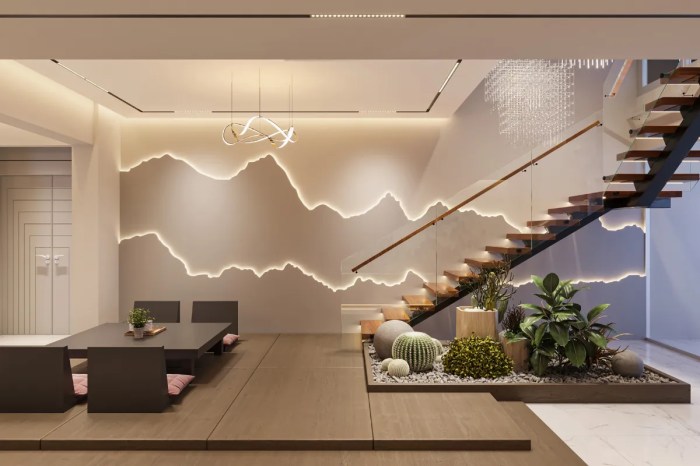
Layering Light in Interior Spaces:Layering light involves using multiple lighting sources to create different levels of illumination in a space. By combining ambient, task, and accent lighting, you can achieve a balance that enhances the functionality and aesthetics of a room.
This technique adds depth, dimension, and visual interest to the overall design.Importance of Color Temperature and Brightness:Color temperature refers to the warmth or coolness of light, measured in Kelvin. Choosing the right color temperature can impact the mood and atmosphere of a space.
Brightness, on the other hand, determines the intensity of light and influences visibility and comfort. Balancing these factors is crucial in creating a lighting design that suits the purpose of the room.Tips for Balancing Different Lighting Sources:
- Start by identifying the primary function of the space and the activities that will take place.
- Layer ambient lighting evenly throughout the room to establish a base level of illumination.
- Use task lighting to provide focused light for specific activities like reading or cooking.
- Incorporate accent lighting to highlight architectural features, artwork, or focal points.
- Ensure that the color temperature and brightness of all lighting sources complement each other for a cohesive look.
Trends in Interior Lighting Design
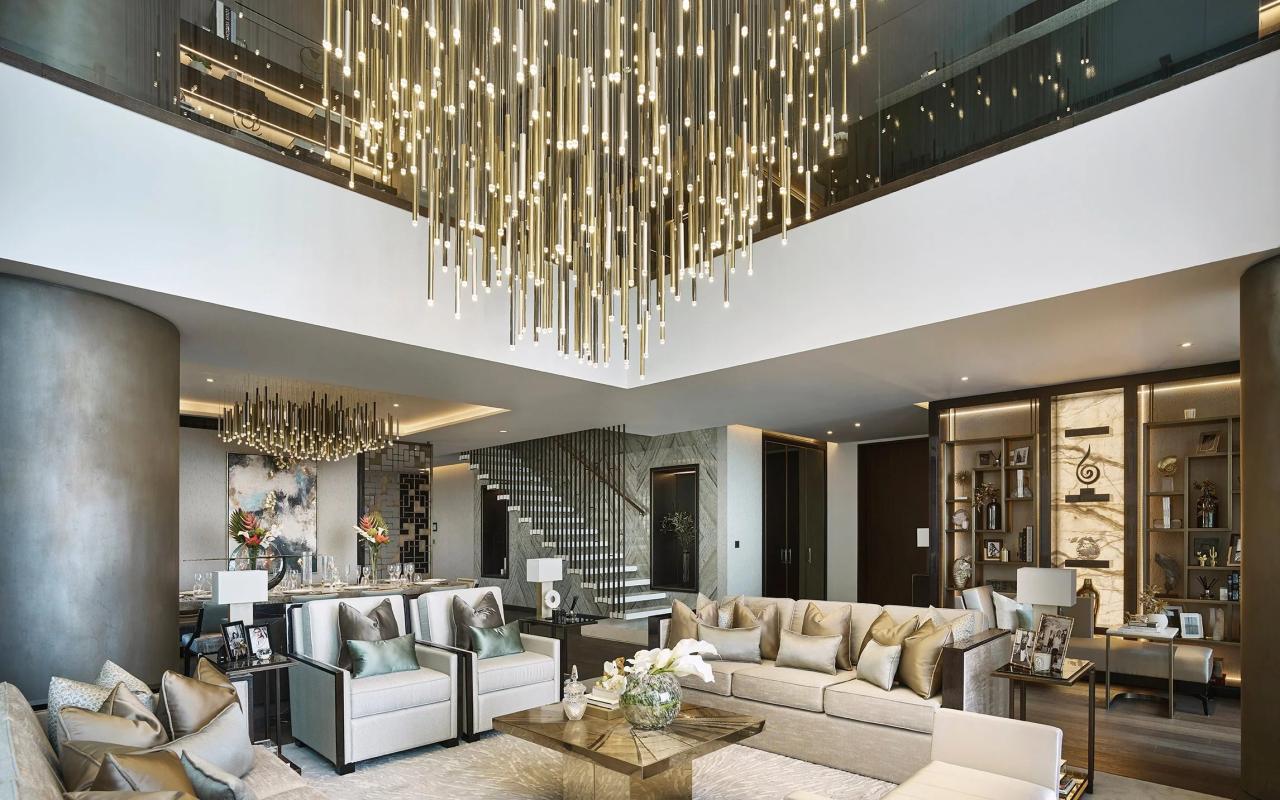
As interior design continues to evolve, so do the trends in interior lighting design. Let's explore some of the current trends that are shaping the way we illuminate our living spaces.
Smart Lighting Technology
Smart lighting technology has revolutionized the way we control and interact with our lighting fixtures. By incorporating features such as voice control, motion sensors, and programmable settings, smart lighting systems offer convenience, energy efficiency, and customization options like never before.
Sustainable Lighting Options
With a growing emphasis on sustainability and energy efficiency, designers are increasingly turning to sustainable lighting options. LED lights, for example, are not only energy-efficient but also offer longevity and a wide range of design possibilities. Additionally, natural light solutions, such as skylights and solar tubes, are being integrated into interior spaces to reduce reliance on artificial lighting sources.
Lighting Design for Specific Spaces
When it comes to designing lighting for specific spaces, it is essential to consider the functionality and ambiance you want to create. Here are some insights on how to design lighting for different spaces:
Bedrooms for Relaxation
Creating a relaxing atmosphere in the bedroom is crucial for promoting rest and relaxation. Consider using soft, warm lighting to create a cozy and inviting space. Dimmable lights can also be beneficial to adjust the brightness according to your mood.
Additionally, incorporating bedside lamps or wall sconces can provide a gentle and soothing light for bedtime reading.
Well-Lit Workspace for Productivity
When designing a workspace, it is essential to focus on task lighting to ensure productivity and reduce eye strain. Utilize overhead lighting to provide general illumination, and complement it with task lighting such as desk lamps or under-cabinet lighting for focused work areas.
Natural light is also beneficial for boosting productivity, so try to maximize natural light sources if possible.
Enhancing Art or Architectural Features
To enhance art or architectural features in a space, strategic lighting placement is key. Use accent lighting such as track lights or wall-mounted fixtures to highlight artwork or unique architectural elements. Consider the color temperature of the lighting to complement the space and bring out the details of the features you want to showcase.
Experiment with different angles and intensities to create a dramatic effect.
Closure
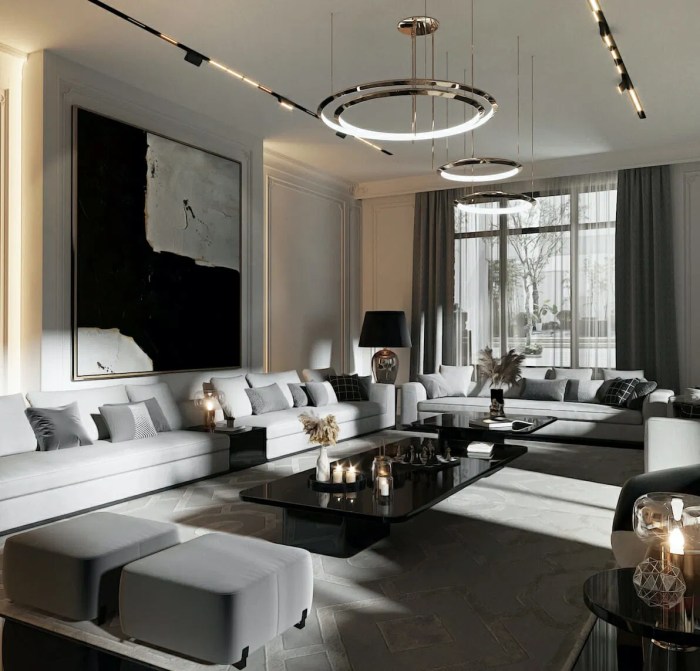
As we reach the end of this discussion on interior lighting design, it's clear that lighting plays a crucial role in shaping the look and feel of a space. By staying updated on trends and harnessing the power of innovative lighting solutions, you can transform any room into a well-lit haven that combines functionality with style.
Detailed FAQs
How does color temperature impact lighting design?
Color temperature affects the mood and atmosphere of a space. Cool tones are energizing, while warm tones create a cozy ambiance.
What are some sustainable lighting options for interior design?
LED lights are energy-efficient and long-lasting, making them a popular choice for sustainable lighting solutions.
How can I effectively layer light in a room?
Layering light involves combining different types of lighting, such as ambient, task, and accent lighting, to create depth and dimension in a space.